Wellness Trends India 2026
What Every Wellness Business Owner Needs to Know
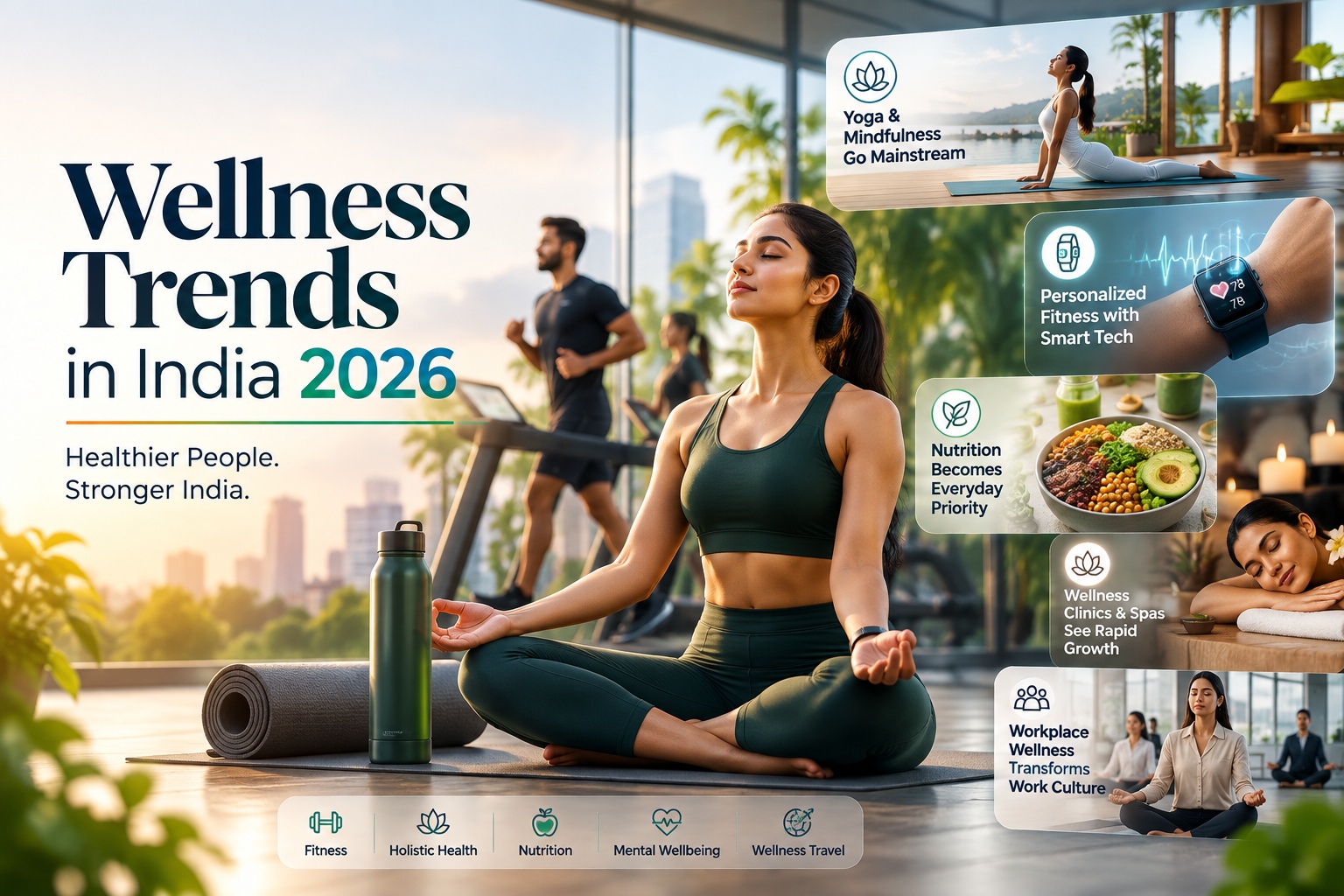
Wellness Trends India 2026 show that India isn't just getting fitter—it’s getting more serious about wellness as a whole. Spas, yoga studios, physiotherapy clinics, nutrition practices, and wellness centers once felt like side businesses riding the fitness wave. Not anymore. They are now becoming central to how millions of Indians approach their health, manage their spending, and even plan their travel. From personalized fitness and mental well-being to recovery, nutrition, and holistic care, wellness is becoming a bigger part of everyday life across India.
India is now the seventh-largest wellness economy in the world. According to the Global Wellness Institute, India's wellness economy reached approximately $180 billion in 2024 and grew at an average annual rate of 11.3% between 2019 and 2024 — making India the second-fastest-growing market among the world's 25 largest wellness economies.
Separate market research from IMARC estimates India's broader health and wellness market at around $156 billion in 2024, with projections reaching $256.9 billion by 2033.
This isn't a short-term trend. It's a real shift in demand. The business owners who understand where it's headed will be the ones who benefit most.
1. Wellness Is Becoming a System, Not a Series of Purchases
Wellness is increasingly being viewed as a connected journey rather than a collection of isolated services. For businesses, that creates an opportunity to connect attendance, progress, goals and follow-ups into one client journey.
What this means for your business: Customers don't just want a great yoga class or a good physio session anymore. They want to see how it fits into their whole routine. If you can show a client's full wellness journey — attendance, progress, goals, follow-ups — in one place, you have an edge. Many wellness businesses still manage parts of the client journey across spreadsheets, messaging apps, booking tools, and separate payment systems.
2. Longevity and Preventive Health Are Going Mainstream
Longevity and healthy aging are shaping up as big themes for 2026. This is being driven by greater interest in health tracking, preventive care, healthy aging, and lifestyle-based approaches to managing long-term health risks. People don't just want to lose weight or get stronger anymore. They want proof that they're aging well.
What this means for your business: If you run a wellness center, nutrition practice, or physiotherapy clinic, build programs around clear results — not just one-off sessions. Clients are more willing to commit to longer plans when you can show them real progress.
3. Functional Fitness and Mobility Are Bridging Fitness and Wellness
The American College of Sports Medicine ranks Functional Fitness Training among the top fitness trends for 2026, placing it at #10 globally. The same movement-focused approach is increasingly relevant to India's urban wellness market. The reason is simple. Long hours of sitting and sedentary work are creating demand for mobility, recovery and movement-focused services among urban professionals. Office workers in cities like Bengaluru, Mumbai, and Gurugram don't want harder workouts. They want relief from the damage their daily routines already cause.
What this means for your business: This is where fitness and wellness meet. Mobility classes, physio-based training, and recovery-first programs can attract clients who'd never join a hardcore gym — but will happily pay for pain relief and easier movement.
4. Corporate Wellness Is Becoming a Core Growth Channel
Corporate wellness has become a must-have for companies in 2026. It boosts productivity, engagement, and staff retention. Top trends include mental health support, digital health records, hybrid work setups, and financial wellbeing programs. Mental health support has changed too. It used to be a one-time benefit. Now it's a step-by-step journey — starting with self-help tools, moving to confidential helplines, and reaching professional counselors when needed.
What this means for your business: Corporate tie-ups aren't just a nice extra anymore. They're a real way to find new clients. Wellness centers, yoga studios, and mental health practitioners who offer clear, reportable programs can win steady contracts with HR teams — not just one-off walk-ins.
5. Sleep and Recovery Are Becoming Their Own Category
People are increasingly buying sleep tech — smart mattresses, recovery rings, and similar tools — to sleep deeper and recover faster. This is fueling a sleep tech market worth around $30 billion, which could quadruple by 2034. Recovery isn't just a nice-to-have anymore. It's turning into its own wellness category, right alongside fitness and nutrition.
What this means for your business: Recovery services — guided sleep programs, stress-relief sessions, breathwork, or sensory therapies — can be sold on their own. Don't just bury them inside a general membership. Price and sell them separately.
6. Younger Consumers Want Proof, Not Just Promises
Younger people are driving much of this shift. In McKinsey's 2025 survey, nearly 30% of Gen Z and millennial consumers in the United States said wellness was a lot more important to them than a year earlier. That's a bigger jump than older age groups. For this group, wellness isn't about good vibes. It's about results they can actually see.
What this means for your business: If you're targeting younger clients, soft "feel good" messaging won't cut it. Show them numbers. Progress tracking, before-and-after results, attendance streaks, and clear milestones will matter more than a nicely designed studio.
7. India's Traditional Wellness Systems Are Finding a Modern Audience
Wellness tourism is becoming an increasingly important growth area in 2026, and India is well positioned because of its established traditions in Ayurveda, yoga and meditation. Ayurveda, yoga, and meditation are increasingly being packaged for modern wellness consumers alongside structured programs, digital experiences and measurable outcomes. They're becoming structured programs with real, trackable results.
Ayurveda, yoga and meditation remain important parts of India's wellness ecosystem, while wellness tourism is becoming an increasingly important commercial opportunity. For businesses offering these services, the opportunity is to combine traditional expertise with structured programs, clear outcomes, digital booking and modern customer experiences.
What this means for your business: If you offer Ayurveda, yoga, or meditation services, you already have a real edge. But you need to package it the same way modern wellness brands do — with structure and results you can show, not just tradition alone.
8. Access Is Expanding Beyond the Metros
As prices become more affordable and awareness spreads, wellness services aren't just for Mumbai, Delhi, and Bengaluru anymore. Smaller cities want the same professional, well-run wellness experiences that used to exist only in big-city studios and clinics.
What this means for your business: If you're expanding into a Tier-2 or Tier-3 city, the timing works in your favor. But price matters more there. Simple payment options like UPI, plus flexible plans, will help you stand out more than they would in a big city.
How Wellness Business Owners Can Turn These Trends Into Revenue
Spotting a trend is easy. Building a business around it — without drowning in admin work — is the hard part. Here are a few practical steps:
- Sell results, not just sessions. Build your programs (longevity, recovery, mobility) around visible progress, not just attendance.
- Treat corporate wellness as a real channel. Create a simple, reportable offering that HR teams can justify paying for.
- Price recovery and wellness add-ons separately. Don't hide them inside your core membership — let their value show.
- Make it easy to say yes. UPI-first billing and flexible plans matter more as you grow into price-sensitive markets.
- Track the full client journey, not just bookings. Good retention means knowing who's slipping away before they cancel — not after.
This is exactly what Fitzpot is built for. Instead of running bookings on one app, payments on another, and client follow-ups by hand on WhatsApp, Fitzpot brings scheduling, UPI and card billing, membership and appointment management, and AI-powered churn alerts into one dashboard. It's built specifically for gyms, yoga studios, wellness centers, physiotherapy clinics, and personal trainers across India.
Final Thoughts
Wellness in India in 2026 isn't about one treatment or one trend. It's about structure, real results, and connected client experiences. The businesses that grow fastest won't just offer the right services. They'll run those services with the same intelligence and personal touch their clients already expect from everything else in their lives.