
Retail Intelligence for Wellness Centers: How AI Helps Increase Revenue Beyond Appointments
Strategic Retail for Wellness Centers and AI-Driven Insights
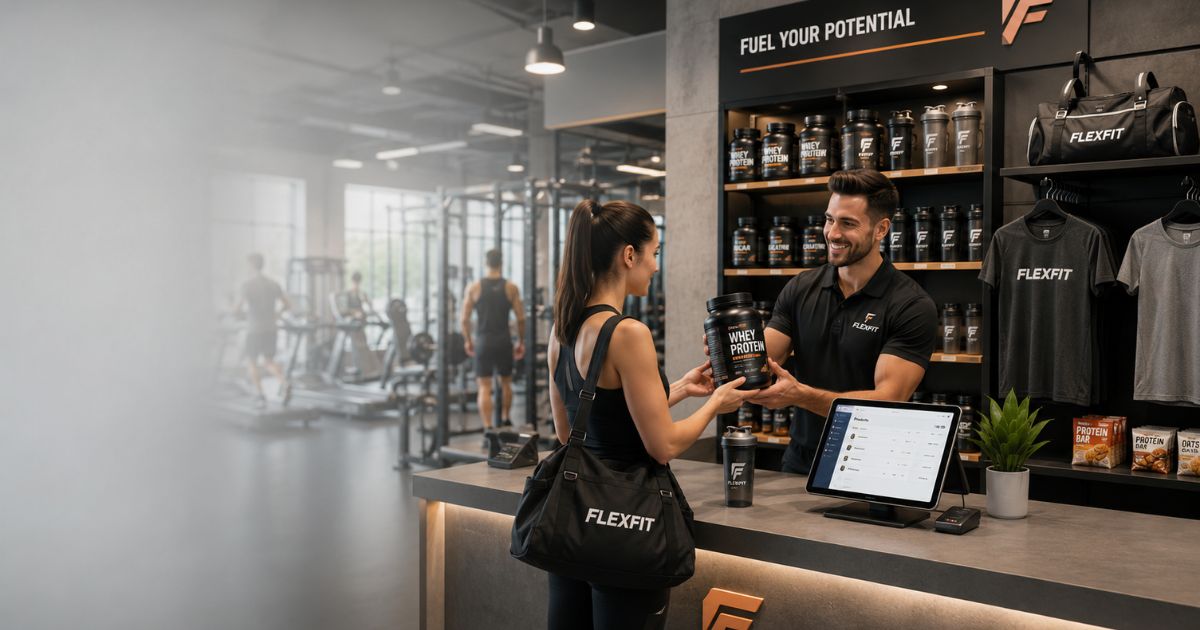
Wellness center retail strategies are changing how gyms, studios, and wellness businesses make money. Appointments and memberships are still the heart of the business, but they have limits. That’s why strategic retail for wellness centers: maximize your revenue has become the new frontier. By diversifying income streams through curated product sales, branded merchandise, and wellness essentials, businesses can unlock fresh opportunities to boost profitability while deepening customer loyalty. Appointments and memberships are still the heart of the business. But they have limits. If a slot is empty, that money is gone for good. More wellness centers are now selling retail products too. Things like recovery tools, supplements, and self-care items bring in extra income. But good retail takes more than a shelf by the front desk. You need to know what members want and how much stock to keep. This is where AI retail intelligence helps.
Why Retail Matters for Wellness Businesses
Members often want more than one session. They want help that carries into daily life.
- A physiotherapy client may need recovery tools after treatment.
- A yoga member may want a better mat or other gear.
- A training client may need supplements for their goals.
- A spa customer may want to keep up a skincare routine at home.
The right products add real value. They also create a new stream of income. Retail isn't separate from your service. It's part of it.
The Problem With Old-Style Retail
Many wellness businesses still run retail by hand.
- They track stock in spreadsheets.
- Staff recommend products from memory.
- Sales reports arrive after a product has already stopped selling.
- Everyone gets the same promotion, whether it fits them or not.
This old way tends to cause:
- Too much stock on the shelf
- Popular items running out
- Missed chances to sell more
- Items that quietly stop selling
- Promotions that don't match the customer
- Little insightinto what customers want
- Extra work for your staff
Without better insight, you lose money you could have earned.
What Is AI Retail Intelligence?
AI Retail Intelligence uses artificial intelligence to run retail smarter. It studies buying habits. It predicts demand. It manages stock. And it matches the right product to the right person.
Instead of only looking at old sales reports, Fitzpot studies:
- Purchase history
- Member preferences
- Treatment history
- Wellness goals
- Seasonal trends
- Inventory movement
- Service use
- Overall business performance
This gives you sharper choices, every day.
Smart Product Recommendations
Every member has different goals. So Fitzpot doesn't push the same product to everyone. It picks items based on each person's own journey.
A physiotherapy client finishing rehab might see:
- Resistance bands
- Foam rollers
- Recovery products
A yoga member might see:
- Yoga mats
- Yoga blocks
- Meditation tools
- Wellness journals
A strength-training member might see:
- Recovery supplements
- Protein products
- Hydration gear
These personal picks make customers happier. They also boost sales.
AI Opportunity Detection
Many chances to sell more hide inside daily business. Fitzpot looks for patterns like:
- Products that sell well together
- Categories doing better than others
- Seasonal buying patterns
- Stock that isn't moving
- Chances to upsell
- Chances to cross-sell
- Your best customers
You don't have to wait for a monthly report. You see these patterns as they happen. That means faster action and steadier growth.
Inventory Intelligence
Manual stock tracking often leads to too much of one thing and not enough of another. Fitzpot's Inventory Intelligence looks at:
- Sales trends for each product
- Seasonal demand
- How fast stock turns over
- Supplier performance
- How often items sell
This keeps popular products in stock. It also cuts the cost of stock you don't need.
AI Business Intelligence for Retail Growth
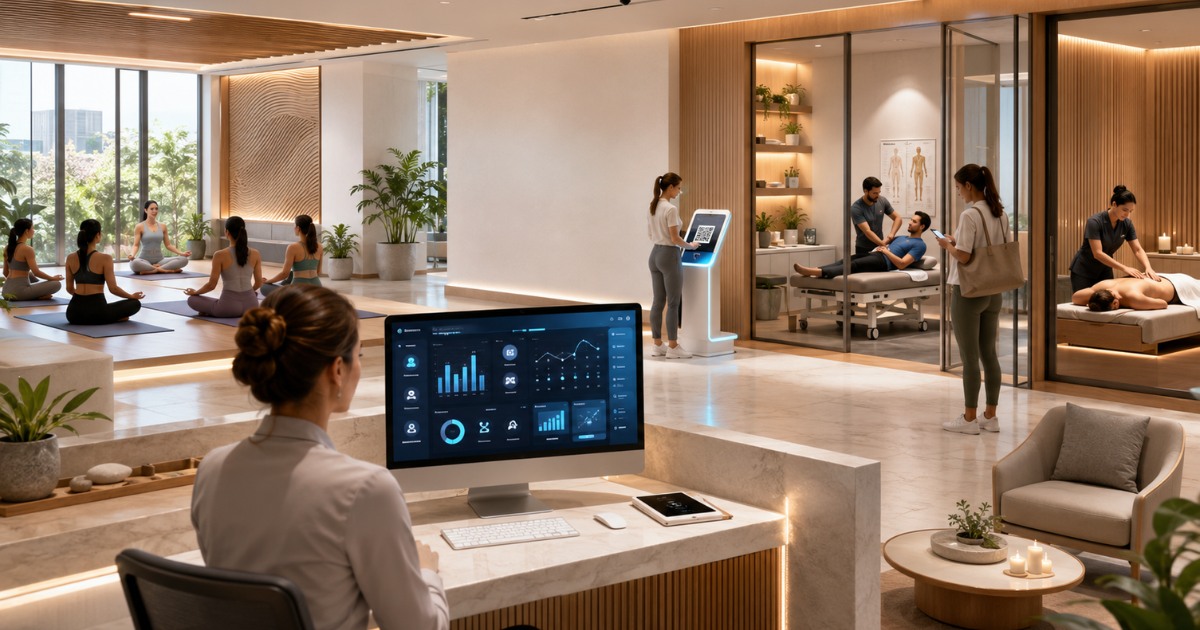
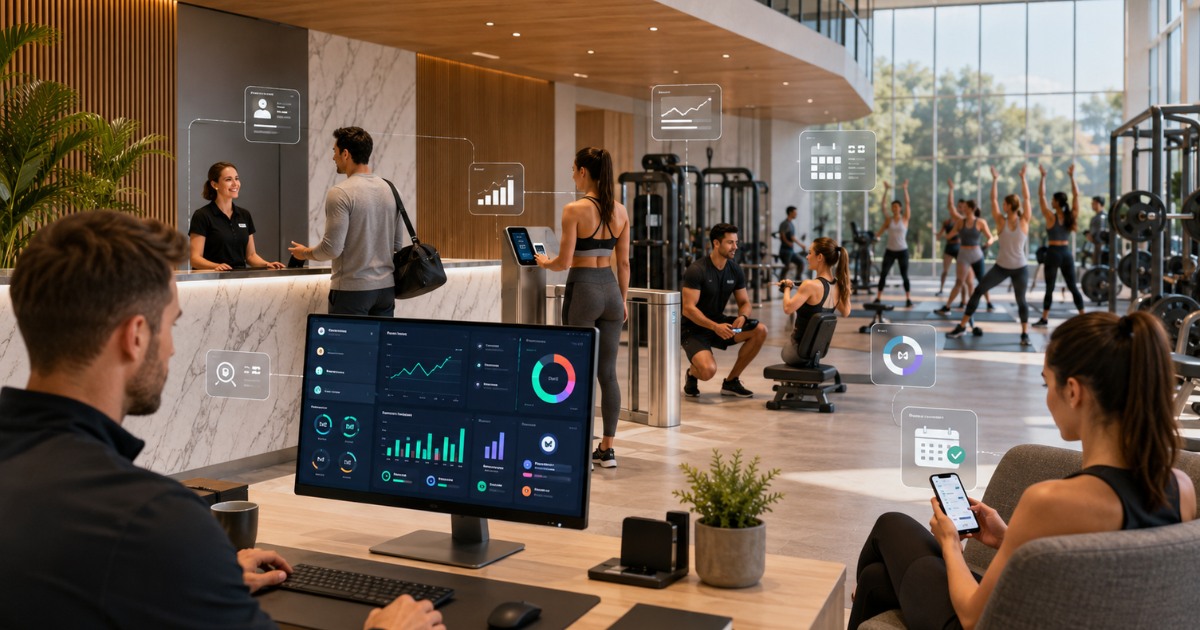
Retail is just one part of your business. Fitzpot's AI Business Intelligence Dashboard connects retail data to the rest of your operations. You can see:
- Retail revenue
- Which products actually make money
- Revenue forecasts
- Sales performance
- How much of your capacity you use
- Member Lifetime Value
- Where your growth chances are
- Money trends
Instead of just old sales numbers, you get clear tips on where to go next.
Member Intelligence Creates Better Retail Experiences
The best product tip starts with knowing the member, not just the product.
Relationship Health Score (RHS)
Fitzpot tracks how engaged each member is. It looks at attendance, messages, purchases, and how often they use your services. If engagement starts to drop, you can step in early. Send a personal offer. Suggest a wellness program. Bring them back.
Wellness Score
The Wellness Score combines:
- Activity levels
- How often members show up
- Wellness participation
- Progress toward goals
- Community engagement
These signals help you suggest products that truly fit each member's wellness journey.
AI Marketing for Smarter Product Promotions
Sending the same promotion to everyone rarely works. Fitzpot's AI Marketing Intelligence makes your messages personal, through:
- Product recommendations
- Groups based on behavior
- Seasonal campaigns
- Personal offers
- Referral campaigns
- Loyalty rewards
- Automatic follow-ups
Messages that fit the member lead to more sales.
AI Wellness Helper
Retail doesn't stop at checkout. Fitzpot's AI Wellness Helper stays with members after they buy. It offers:
- Tips on how to use their product
- Recovery guidance
- Wellness coaching
- Habit reminders
- Progress tracking
- More personal tips over time
Staying in touch after the sale builds trust. It also brings members back to buy again.
Marketplace Integration
Retail works even better with a full marketplace behind it. Fitzpot lets you manage products, services, and digital offers in one place. You can sell:
- Wellness products
- Supplements
- Recovery equipment
- Digital wellness programs
- Nutrition plans
- Online consultations
- Wellness memberships
This opens new income streams. It also keeps members engaged even when they're not in your building.
One Platform for Every Revenue Stream
Retail shouldn't run apart from the rest of your business. Fitzpot connects:
- Membership Management
- CRM
- Billing & Payments
- POS
- Inventory Management
- Marketplace
- Marketing Automation
- AI Business Intelligence
- Predictive Analytics
- Wellness Intelligence
- AI Wellness Helper
Every part shares the same data. That makes retail part of one connected system, one that keeps getting smarter about how your business runs.
Best Practices for Growing Retail Revenue
To get the most from retail, try to:
- Check AI product tips often
- Watch inventory insights to keep stock right
- Use Opportunity Detection to find new income
- Match products to each member's goals
- Automate your retail marketing
- Track retail results on your Business Intelligence dashboard
- Link retail with memberships and wellness programs
- Manage retail, appointments, and payments in one place
Benefits of AI-Powered Retail Intelligence
Businesses that use smart retail tools tend to see:
- More retail revenue
- Bigger average sale
- Better use of stock
- Sharper product tips
- Stronger member engagement
- Less wasted stock
- Smarter buying choices
- More loyal customers
- Clearer view of the business
- Steady, long-term growth
Conclusion
Retail is no longer just extra income for wellness businesses. With AI behind it, retail becomes part of the member's experience. It adds real value and builds steady revenue.
Fitzpot brings together AI Retail Intelligence, Opportunity Detection, Revenue Forecasting, AI Business Intelligence, Relationship Health Score, Wellness Score, Marketing Intelligence, Marketplace Integration, Inventory Management, and the AI Wellness Helper. All in one Wellness Intelligence Platform.
Whether you run a yoga studio, a physiotherapy clinic, a spa, a fitness center, or a multi-service wellness business, Fitzpot connects your services, products, and member relationships in one system. The result: more revenue, stronger member relationships, and a business built to last.